I thought it was finally time to delete the newsletter.
First, I had to clear about four hundred fake signups before I sent the new one. Then, while I know ther are reasons why metrics are off, a total of nine people have opened it in a week per my dashboard.
I’ve kept a newsletter of some sort for twenty years now because of “just in case”. Just in case something does really well, I want folks to be easily able to get news about another release. But if nothing has done well enough to justify a newsletter in twenty years…will it ever? Especially not now when no one wants newsletters anymore (I don’t read them either).
I thought it might be useful now that I can’t do preorder for Kindle users, a heads-up when a new book is on Payhip. But of the 55 Kindle buyers who got Waverly 4 last year before I pulled eBooks from Amazon, I don’t actually think most are continuing the series (a few are! thank you!). A couple might’ve moved to Kobo/Apple but definitely not all (Kobo preorders were down too). Generally, friends/family who are Kindle/Audible users won’t buy and read my books elswehere so the majority of strangers likely won’t either; it seems silly to think the newsletter would be useful.
Then one newsletter subscriber did grab ADaDH, though, so maybe the mailing list will have a stay of execution. A single person is usually enough for me to continue the effort with something. But there has long been just a tiny subscriber open and an even tinier link-click (drastically less now that there are no Kindle links). I haven’t seen much of a conversion from newsletter subscriber to Patreon, either (although some patrons do get the newsletter, they also get actual news first at Patreon*). I might try moving to a new mailing list company so I have fewer spam signups to clean out, but that seems like a lot of effort.
Blog updates are a little different–yes, it’s a lot of work, and no, I’m not sure these are read much either, but at least a) subscribers get a proof-of-life post, and b) I can later say “it’s not like I didn’t tell anyone!” when it comes to book news.
What’s New
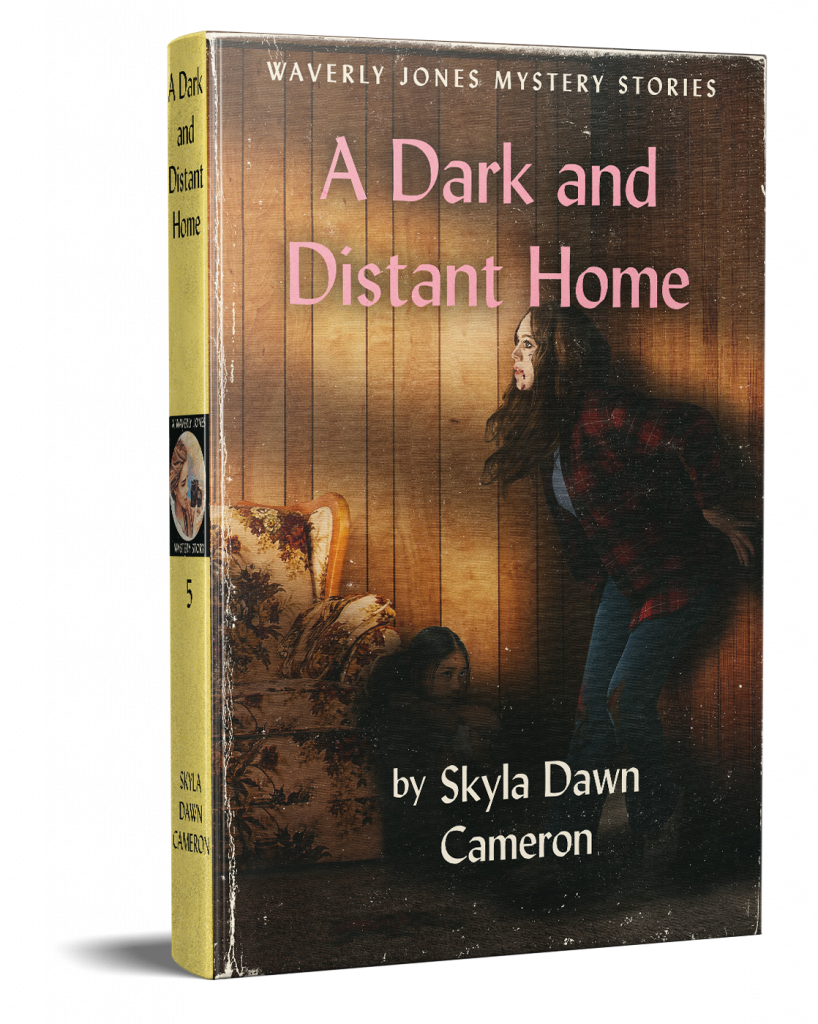
Out TODAY:
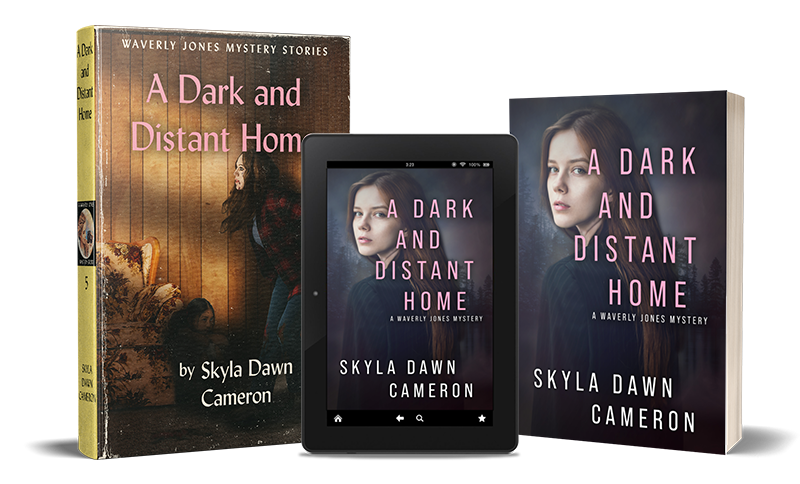
The last six months have not been great for Waverly Jones.
The settlement conference for the defamation suit against her approaches—though she has no intention of settling.
The Crossroads Butcher case is considered “closed”—even though she knows the police are wrong about the killer.
The love of her life is gone—and it’s her fault.
When an American man approaches her agency for help locating the son he just found out about, who was “rehomed” to a couple that crossed the border years ago, Waverly feels a spark of interest in her that has been dormant since she lost everything in the fall. No one is looking for the boy despite what seems to be a situation of child trafficking to her, and a difficult, complicated case might be exactly what she needs to feel more like herself again.
Sure, she’s stretched thin from breaking in a new assistant, babysitting her little brother again, and trying to keep her agency going as a one-woman operation. But even with her only backup in the form of the hallucination of her dead sister, catfishing people within the online child adoption “rehoming” industry shouldn’t be that hard for someone with her skills.
And it can’t possibly be dangerous…
eBook: Direct | Kobo | Apple Books | Smashwords
Print Edition: Paperback Direct | Special Edition Hardcover at Amazon | Special Edition Hardcover Direct | Amazon Paperback
The hardcover contains the short “A Heart that Yearns” which is teen Waverly being super earnest and cringey, and “Like a Prayer”, a mini mystery novelette set after the book that goes a little lighter and delivers on a joke set up.
—
Two more large-print editions are coming–Alone at Night (Waverly 3) and Odin’s Spear (Livi 2). I’ll put those editions on pause then for a little while. Nine copies total have sold–six of Dweller, three of The Silent Places, zero of the others–and I’ll pick up series releases again if any of the others move. Because the books are bigger–increased font size means increased page count–they are not cheap, which is a pity and inhibits sales potential, but at least a couple are out there and I can always come back to it.
—
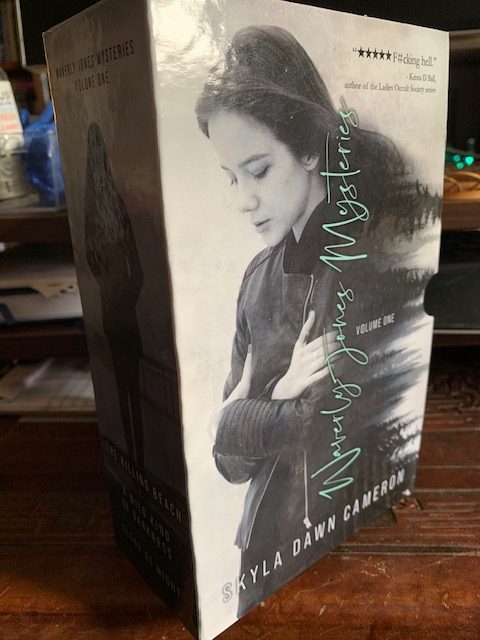
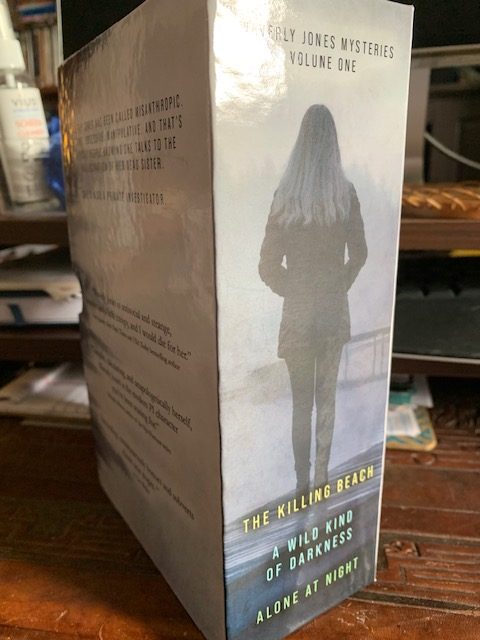
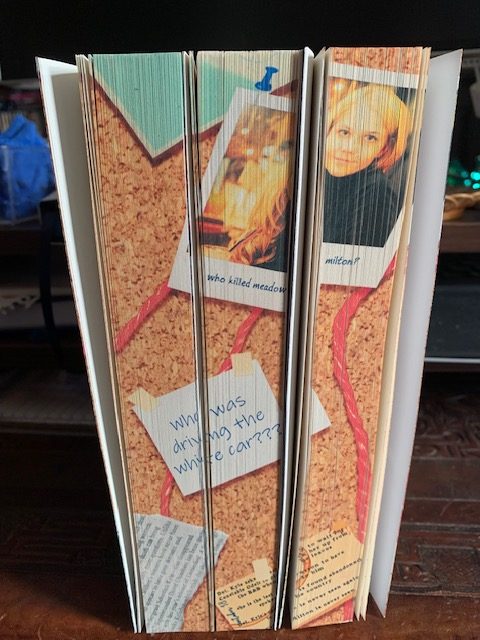
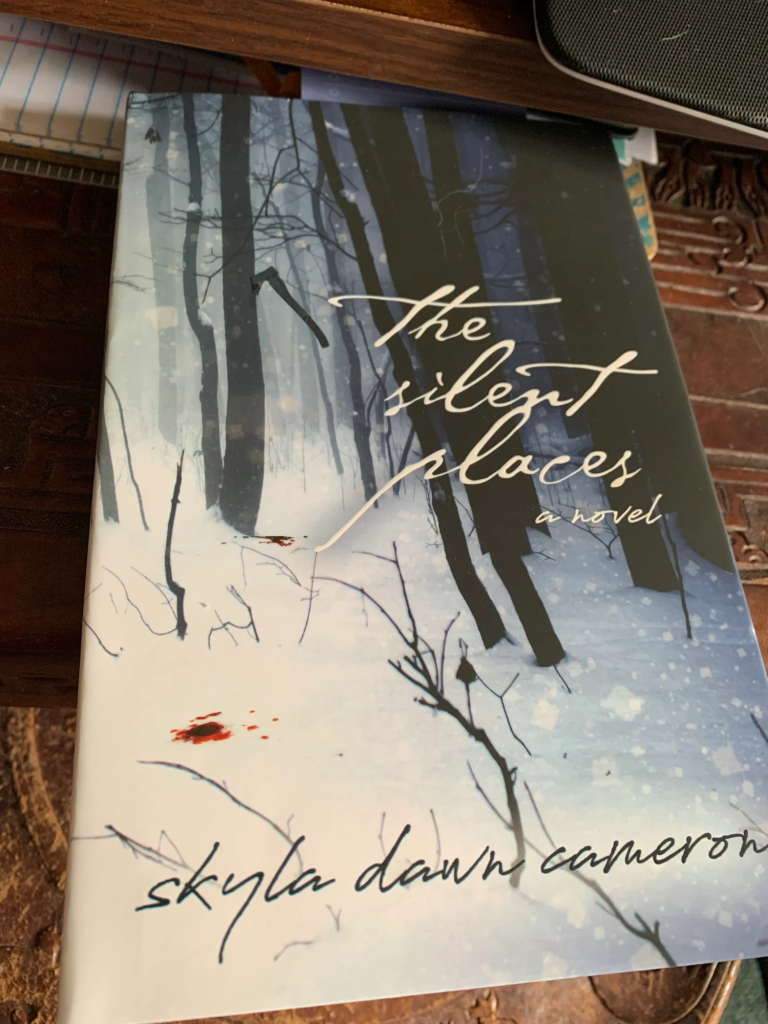
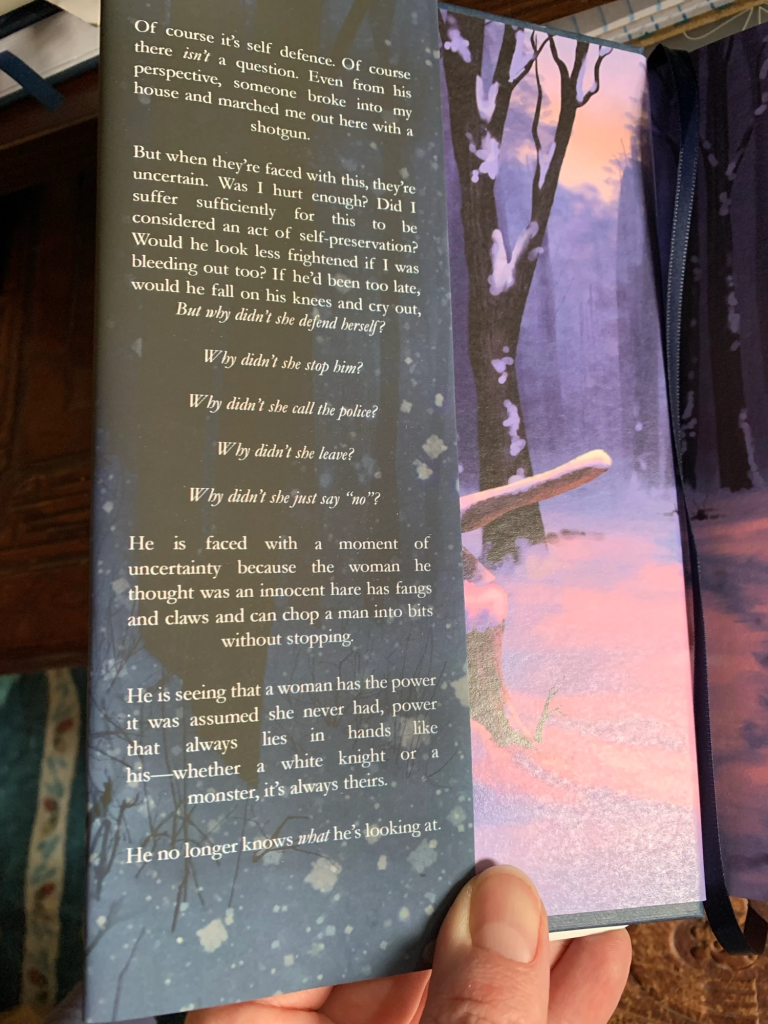
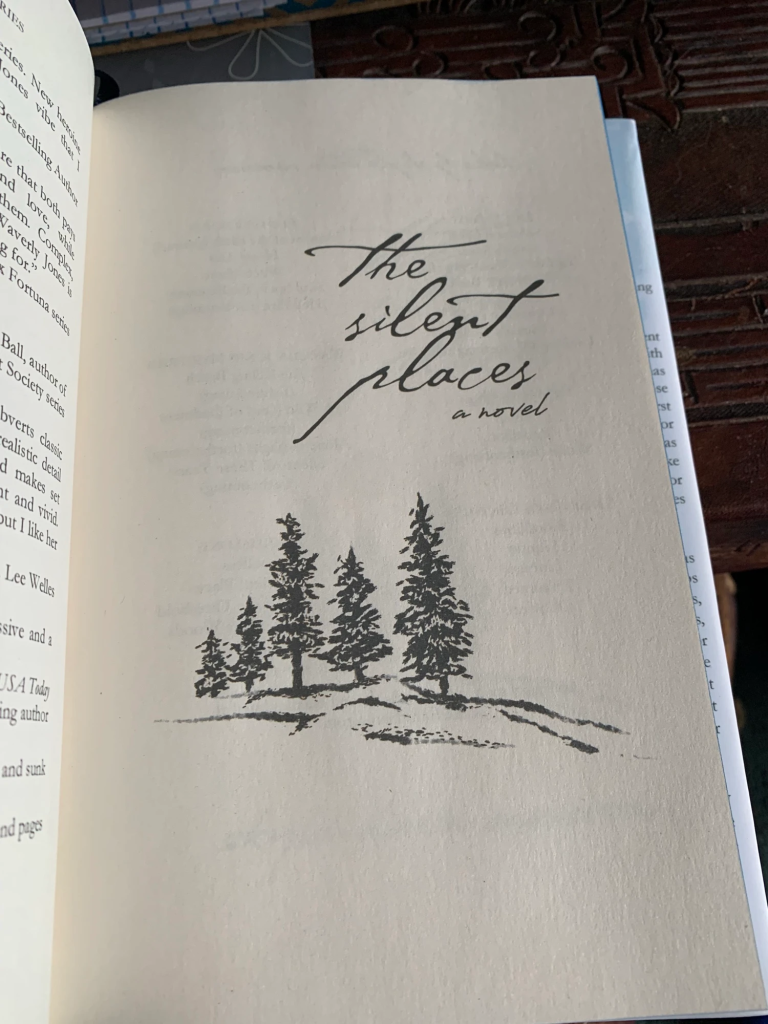
The fancy jacketed version of The Silent Places is out as well. So is the fancy three-book Waverly boxset. Yes, the latter in particular is pricey. I debated it, got some feedback from others, but the truth is that the base price to print is very high, Payhip takes a cut, there are currency conversion fees (I’m charged in £ from CAD), and I make very little when all the cuts come out. I don’t offer these as moneymakers, I just think they’re pretty and cool, but I don’t want to actually lose money either.
Neither are “new” but those versions are, so they’re in the Payhip New Release section.
The Elis O’Connor novella readers are helping choose the direction of also continues.
Shiva’s Bow is out in paperback again with the updated cover at Payhip and Amazon.
What’s Upcoming
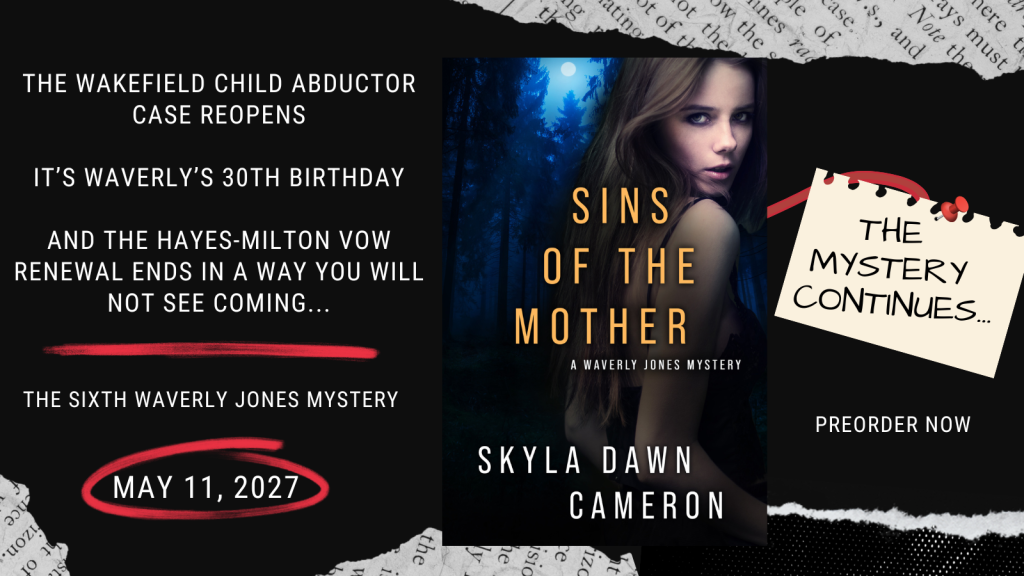
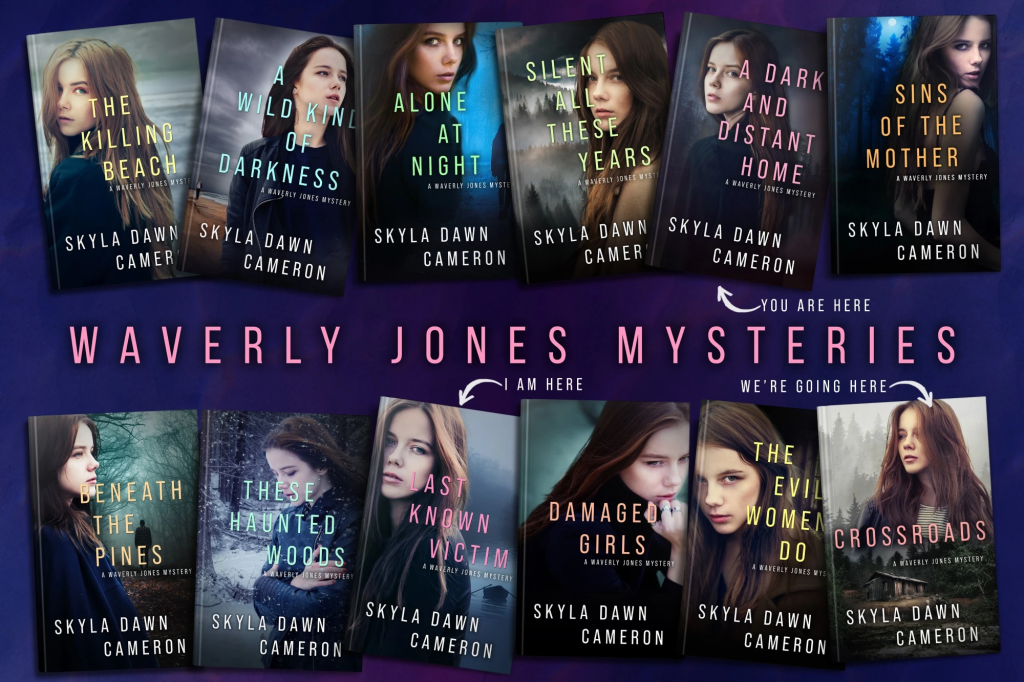
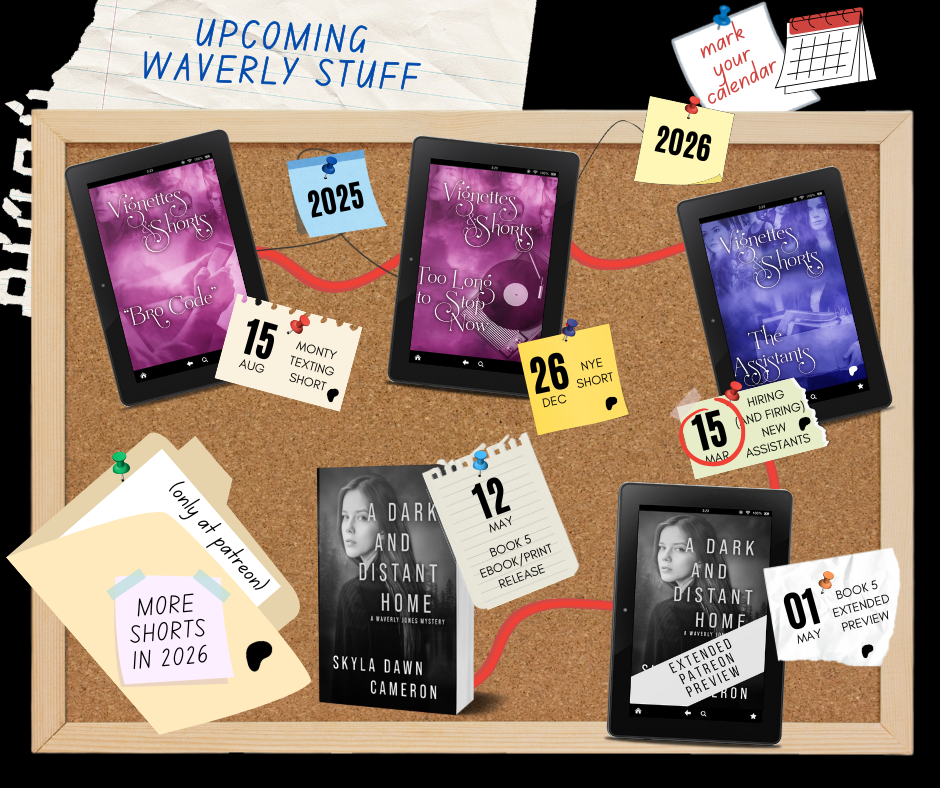
The sixth Waverly Jones book, Sins of the Mother, is out May 11 2027.
—
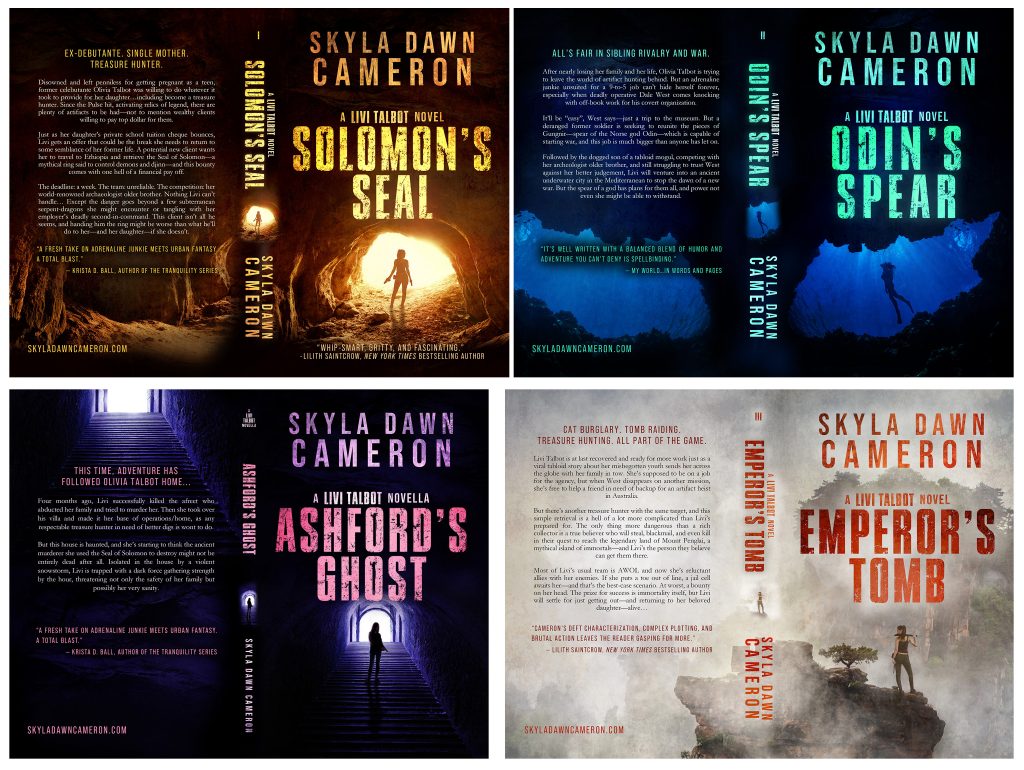
But well before that is the 10th anniversary edition of Solomon’s Seal, coming this September.
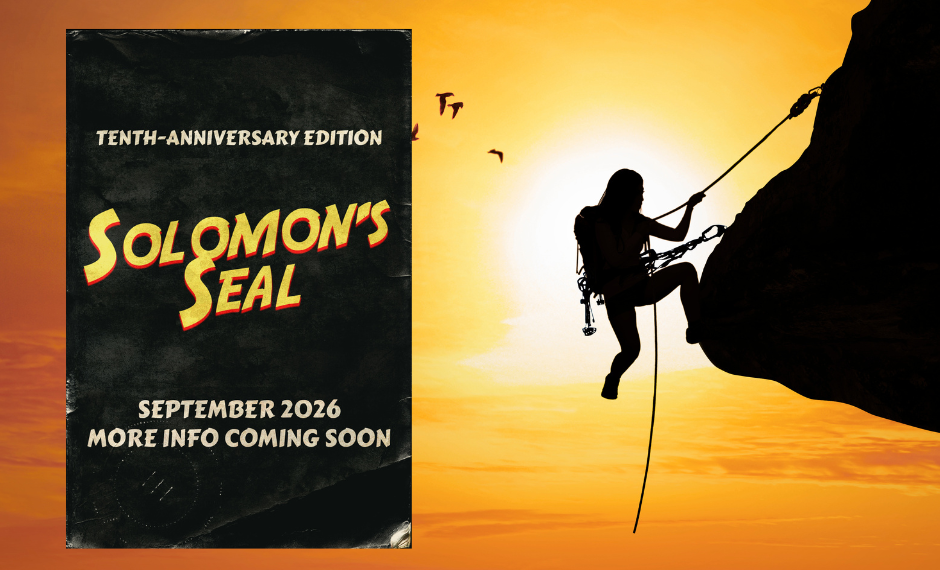
I’m still working out the extras but I’m talking to Niken Anindita about some illustrations (I’ve committed to using some premade cover sales to pay for her work, so if you’re eying one, please consider buying so I can set that money aside for her)**, I’m working on a prequel short about Livi’s first treasure hunting outing along with making cave maps, and there’ll be a few other things. A regular black-and-white interior paperback will be at Amazon, and then I’ll offer a jacketed hardcover–with whatever illustrations managed in colour, pretty end papers, and so on–direct through Payhip.

It’s really strange revisiting it, but this is something important for me to do for myself, to celebrate something I used to love. I’ll reveal the cover later this summer.
The short story (well, novelette) accompanying it has been a little tricky–I have the structure but I think I’m rearranging that a little and I have to brush up on reserach since it’s been so long. While it’s going slower than I thought, that might be on account of the depressive episode I’m in right now. It’ll have its own cover, though, and an illustration specific to it.
—
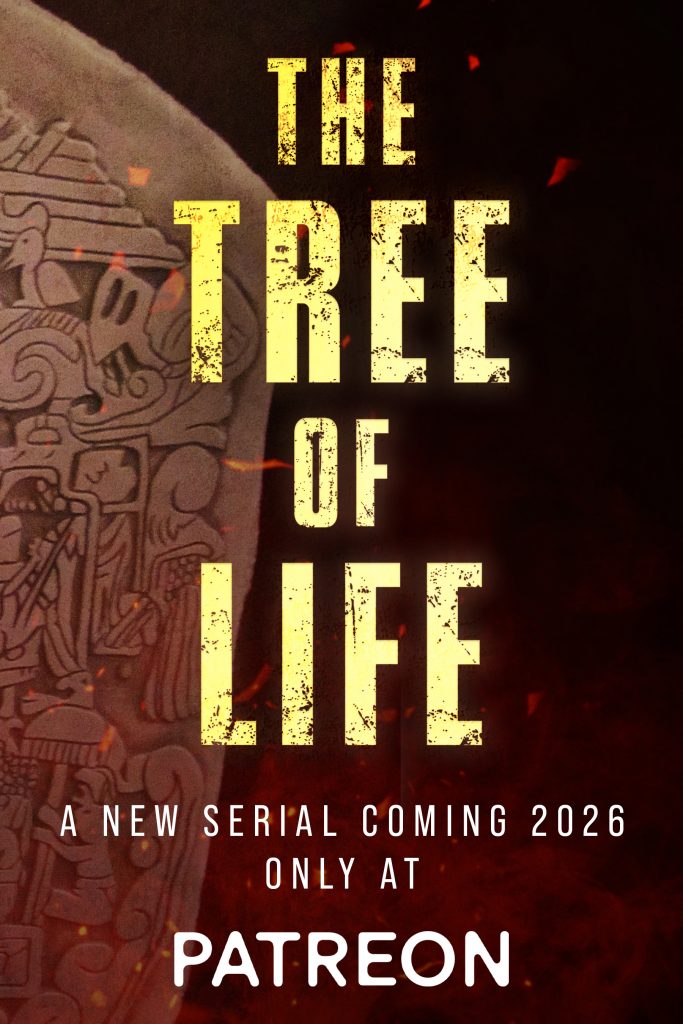
The upcoming Patreon serial, The Tree of Life, does not have a date yet, as I’ve just started revisions, but I know some of the larger bits I have to revise later in the book. Patrons got the cover reveal and teaser summary. I’m still hoping to start that late summer/early fall for serialization, (and it’s a Patreon exclusive–there might be a paperback at some point at Payhip, but especially as Patreon is making up the bulk of my income, exclusives will continue there).
Throw the Whole Man Out should conclude by August, I think? Still a couple of choices left to make.
The hope is to have my collection First Dates (That End Badly) out by the end of the year–that’ll be King’s Bounty (Livi Talbot), How the Werewolf Stole Christmas (River Wolfe), Counterpoint: Always Kill a Boy on the First Date (Zara/Demons), Throw the Whole Man Out (Elis O’Connor), and Mystery at Red Fox Lake (Waverly Jones). Everything’s done but I want to feel confident about Elis’s, so I have to finish that with Patrons and then take a look at it for final release. I’ll reveal the cover when I’ve got it up for preorder (patrons have seen it already).
—
I’ve got a standalone horror scheduled for a Storybundle exclusive March 2027. I’ll hold off on the cover reveal and summary until I know whether it’s a novel or novella (it’s in progress, I know how it ends, pretty sure it’s a shorter novel), but that’s coming. I’ll probably have it as its own release late fall 2027.
What I’m Working On
- Rhydderch’s Sword for the Solomon’s Seal tenth-anniversary edition.
- The next chapter of Throw the Whole Man Out.
- The aforementioned standalone SF horror book.
- The Tree of Life revisions.
And at the same time, reviewing Yampellec’s Idol (appropriate to alternate with Rhydderch’s Sword since that was previously Livi’s big major depressive episode) and Charon’s Gold. So I can get those re-released.
Then Sins of the Mother revisions and I’d like to get back to writing Waverly 9 (Last Known Victim). Plus re-reading the whole Demons of Oblivion series for the cover rebrand, and hopefully getting Hell Fire and Demon Fall, Elis 4 and 5, revised, edited, and out in print. Then writing Dark Fates, the last Elis book.
Yeah. It’s a lot atop freelance work.
It’s especially a lot while I’m in a depressive episode and even breathing seems to take ten times the effort.
But I had some personal life stuff come up that brought up some previous trauma, and disappearing (okay I guess it’s disassociating?) into fiction is typically what I’ve always done. There’s a reason why WandaVision was my favourite MCU outting next to Jessica Jones, after all. Provided I can just get through the depression part right now–and getting a bit of sleep a few days ago helped a little–my deadlines shouldn’t be too much of a problem. It should, in fact, be a bit of a relief to focus on.***
It’s nice to have the new book out, though. A surprising amount of eARCs went out, as several people got copies from the higher Patreon tiers and there were contest winners**** so I don’t know if it’ll really feel like a new release if like half the tiny core audience has already read it.
But it’s been my favourite so far, because Miserable Hostile Waverly is Best Waverly, and I’m very proud of it.
This month is also the three-year publication anniversary of The Killing Beach. While I’ve written more–including drafts of books 6, 7, and 8, as well as a bunch of other shorts not shared elsewhere yet–just the Patreon stuff, the extras with the hardcovers, and the published books now represent 720K words.
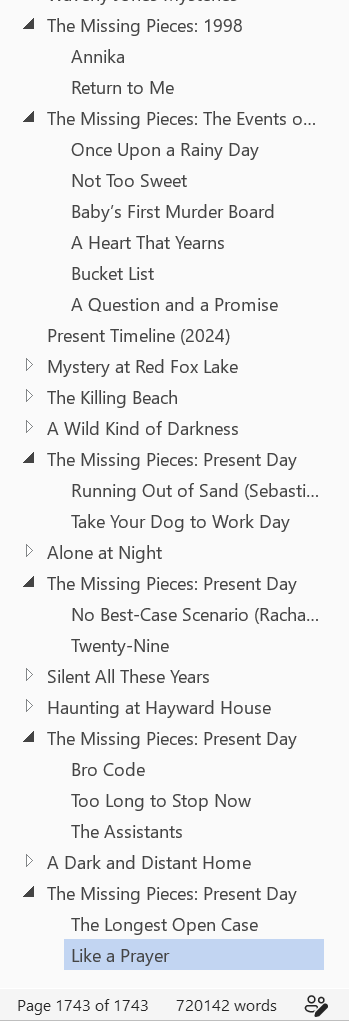
That is so many damn words, and I love every single one of them. And not even halfway through the series.
* except more than half don’t read the announcements, which is sadly hilarious when they get mad at me for not working on something that I told them months ago I am, in fact, working on.
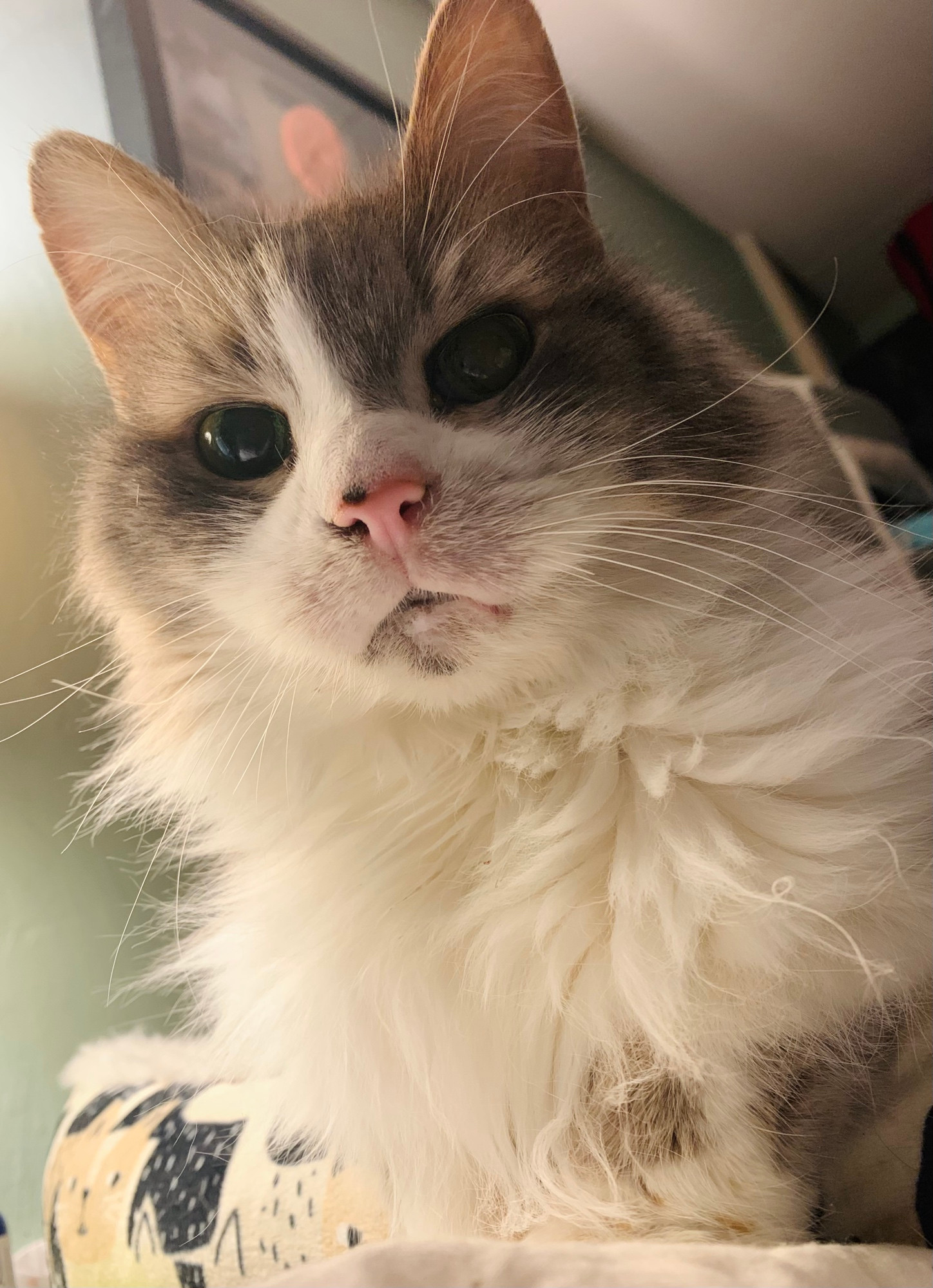
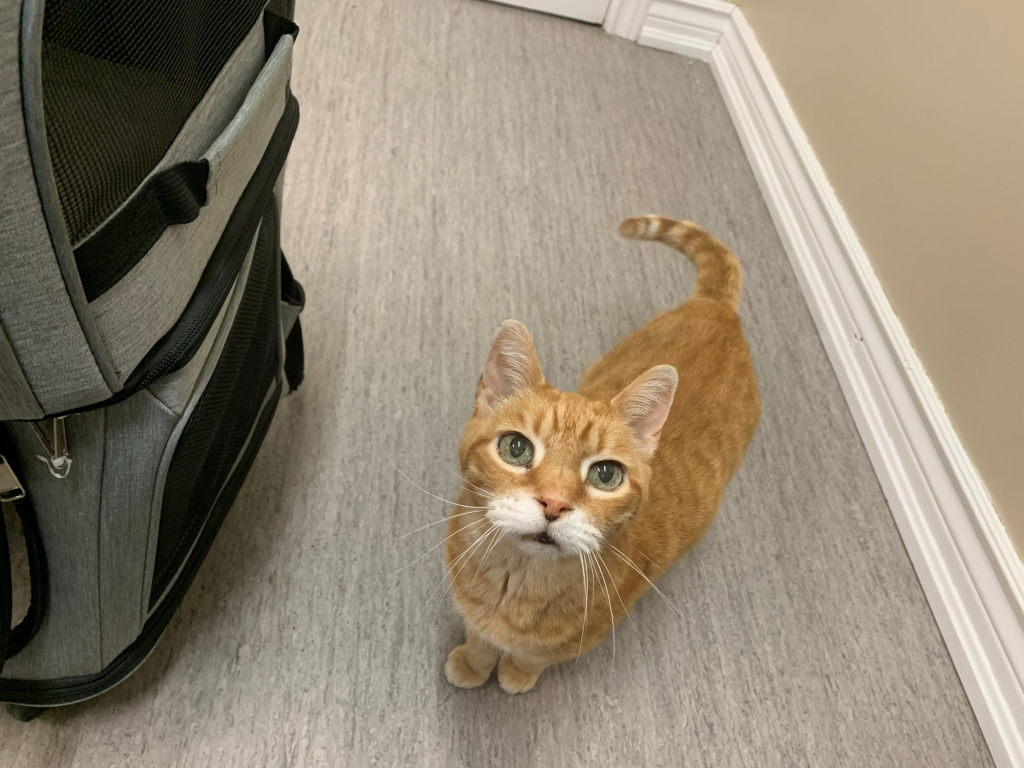
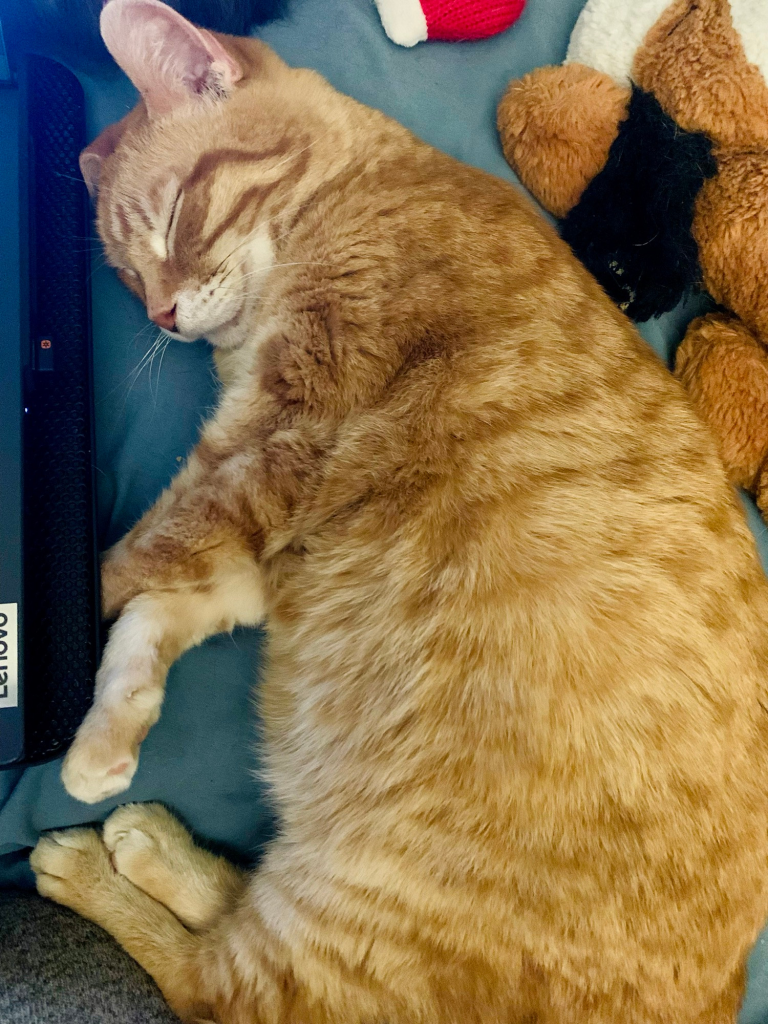
** Pending vet visits. Tempe will have to go back in soon, Rodney’s had a rough few days and might need to go back this week, and so as much as I want this to be a really special edition to celebrate SS, even at Niken’s low prices I realistically will be limited here because the cats have to come first. I also know this is what crowdfunding is for, but the last thing I want is to feel more obligations toward other people with this series.
*** IN ADDITION TO GETTING BACK INTO PAINTING MINIS. There are some weird tonal shifts on this post because I wrote it a few days ago, thought I’d save it for release day just to avoid posting twice, and then I picked up this giant box at the post office. And that was exciting and very kind of people! But then Rodney struggled to keep food down today and I have now spent four hours curled up with him (he’s doing better). Hoping to focus on painting and that offline will be great, I just have to get organized here and figure out where to start omg.
**** that might be the first contest I have really enjoyed running. No purchase necessary as it was a trivia question, it prioritized my readership who’ve followed a number of my books, and so I didn’t get flooded with contest junkies. It took a few months to get three entires but I didn’t care, I was delighted, and I’d like to do something like that again. If you wanted to know the answer to the question, it’s posted on Waverly’s site.
***** “The Longest Open Case” is a Christmas gift I wrote for friends and I’m not sure if I’ll ever post it somewhere, but if you’ve read ADaDH it’s about there finally being an update with “ITFDY”







 Writer of horror, mysteries/thrillers, and urban fantasy.